
Here are some of the books I’ve read (and a few movies, too). Feel free to quibble with the opinions, but please keep it clean.
- Micro-Review #170: Ripley Under Ground
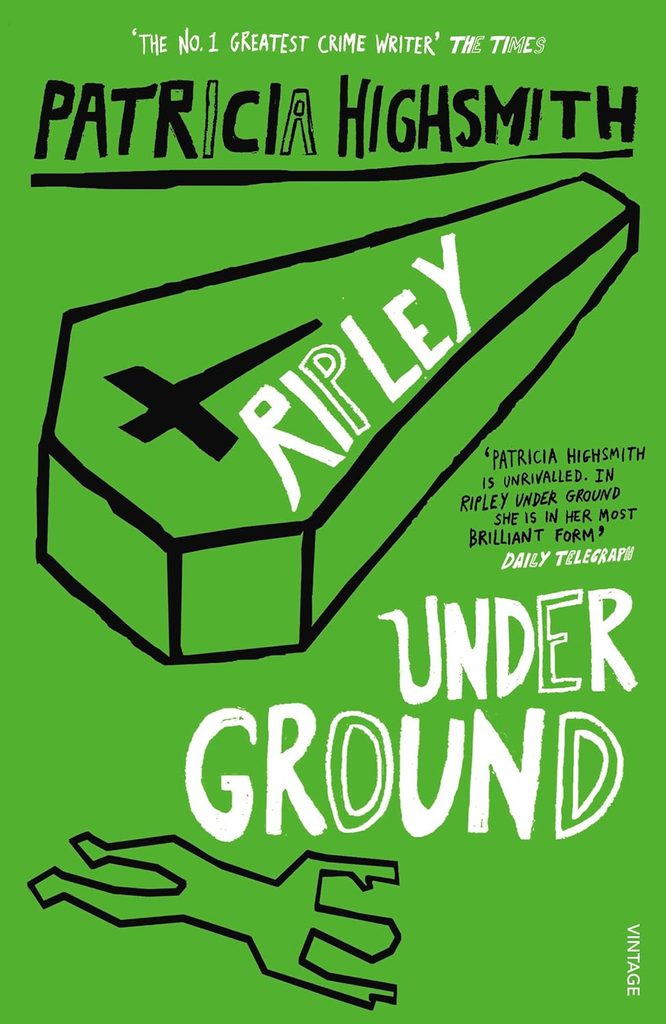
by Patricia Highsmith Given my background in crime writing, it’s amazing I’ve gone this far in life without reading Patricia Highsmith. I’m happy to correct that mistake now. This book is a simple, straightforward anti-hero character study about a guy who’s doing everything he can to get away with murder. It’s a pure joy to read, seasoned with intellectually healthful themes and moving along at a brisk, consumable pace.
This is the type of tale that Dostoyevsky and Elmore Leonard would have come up with if they’d worked together (and if Leonard had final say on the last draft). Ripley is evil, but he’s also a source of intelligence and humor. His dark escapades in 1970 France and England are crime writing at its finest, with more meat on the bones than the vast majority of today’s pop crime novels. I can’t wait to dive into Highsmith’s other works.
- Micro-Review #169: Illegal Alien
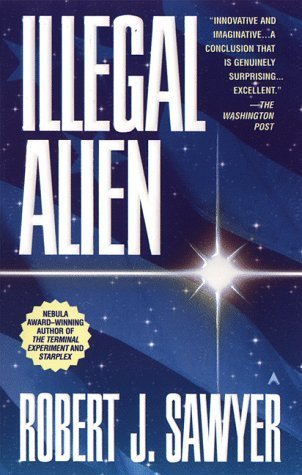
by Robert J. Sawyer Here’s a unique premise: a spaceship lands on Earth, and a notable American is promptly murdered. One of the visitors stands trial for the crime. This is a brisk, enjoyable courtroom drama. It’s not (pardon the cliche) out of this world, but it’s curiously digestible. It has an inherently compelling weirdness, and it poses intelligent questions. The science and world-building are impeccable, and the details are absorbable even if you’re not a sci-fi geek.
One minor quibble: the murder trial takes up all the oxygen in the story. When little green men finally come to visit us, the prime concern won’t be whether one of them killed so-and-so; it will be whether the aliens want to zap us to dust or enslave or eat us. But that’s maybe a pedantic nitpick. This is a book that’s easy to get a kick out of.
- Micro-Review #168: The Secret History
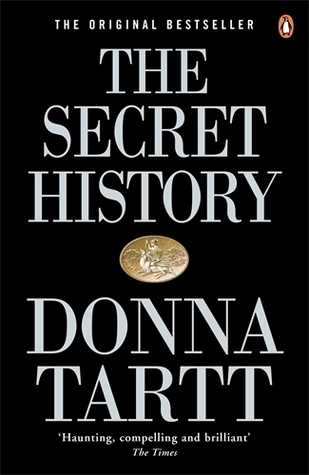
by Donna Tartt I’m told this novel is loathed by many and loved by many more. Is it wishy-washy to fall squarely in the middle of that range? The story: classics students at a New England college immerse themselves so deeply in their studies that a bacchanalia inevitably goes overboard, ending their little undergrad experiment in group solipsism. The event launches them on a path toward tragic behavior and slow unraveling.
The storytelling keeps you flipping pages and worrying, but for all of the high-minded themes, the ultimate moral thrust is unsatisfying. There’s also a problem of authorial indulgence. If you can get through the first 80 pages, which are basically Ancient Greek Studies 101, you’ll probably enjoy these characters’ journey to crime and punishment. But you’ll know you’ve had to work hard. I enjoyed the book. I’ll read more Tartt. But if she takes the same liberties again, I might not stick around for the good parts.
- Micro-Review #167: A House in the Sky
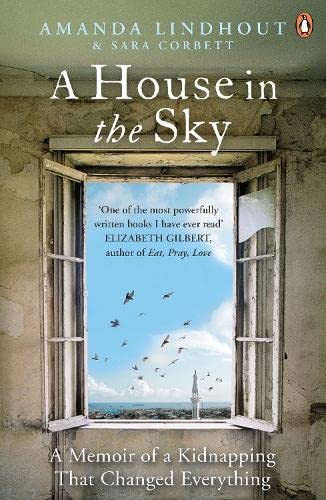
by Amanda Lindhout and Sara Corbett In 2008, A Canadian journalist and Australian photographer are kidnapped by bandits in Mogadishu, leading to an ordeal that many people wouldn’t survive. This is a harrowing memoir of a kidnapping and confinement, but it’s also a striking account of a person both doomed and blessed by an insatiable case of Travelitis. Some of Lindhout’s most memorable moments occur pre-kidnapping, as she traverses the world, collecting countries like fridge magnets. It takes a certain type of personality to wander alone in tribal areas and failed states (especially for a woman). Did she really have to go to Somalia in the first place? Totally. There’s an ennobling strength of character that sometimes leads to trouble, but that also takes on and conquers the darkest types of adversity. This is an absorbing read from start to finish.
- Micro-Review #166: The Long Walk

by Slavomir Rawicz I was halfway through reading this book when a friend informed me that this “true story” of a 4,000-mile trek across Asia to escape a Russian gulag during World War II was alleged to have been made up. I kept reading anyway before looking into the claim.
The story: Rawicz and six other prisoners walk out of Camp 303 outside Irkutsk during a snow storm. They then face many brands of privation during a slog past Lake Baikal and through Mongolia and the Himalayas before finding safety in India. For the most part, the trek is compelling and believable, an uplifting story of courage and companionship, until an encounter with two Himalayan sasquatches (seriously) kind of makes you cock your head and squint.
My conclusion: the evidence does suggest Rawicz was never in a gulag, and no one has been able to corroborate anything he writes, so this is likely a work of fiction. Does it matter? Yes. The novelist’s mantra—“Never let the truth get in the way of a good story”—only works if you know you’re dealing with fiction. If this book had been marketed as an adventure tale, it wouldn’t have struck nearly the same chord. You’ll probably enjoy it only if you’re absolutely determined to believe.